

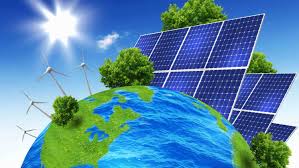
The year 2026 is shaping up to be a turning point for the global climate economy, as a new wave of transformative climate‑tech solutions begins to scale. With governments, investors, and innovators converging on the urgency of climate action, technologies once considered experimental are now entering mainstream deployment.
Key Drivers of Change
- Massive investment flows: Climate‑tech attracted record funding in 2025, and 2026 is expected to see capital shift from pilot projects to commercial rollouts.
- Policy momentum: Nations are tightening carbon reduction targets, creating demand for scalable solutions in energy, transport, and industry.
- Technological breakthroughs: Advances in green hydrogen, carbon capture, and next‑generation batteries are moving from labs into real‑world applications.
Emerging Climate‑Tech Frontiers
- Green hydrogen: Large‑scale electrolyzer projects are coming online, promising clean fuel for heavy industry and shipping.
- Carbon removal: Direct air capture and bio‑based sequestration are gaining traction as companies seek credible pathways to net‑zero.
- Smart grids and storage: AI‑driven grid management and advanced storage systems are enabling deeper renewable integration.
- Climate‑resilient agriculture: Precision farming, vertical agriculture, and biotech crops are helping secure food supplies under shifting climate conditions.
Global Implications
The climate economy in 2026 is no longer about incremental change. It is about system‑level transformation. Emerging economies are positioning themselves as hubs for manufacturing and deployment, while developed nations are accelerating adoption to meet climate pledges. The convergence of finance, technology, and policy is creating a virtuous cycle that could define the next decade of growth.
Outlook
As climate‑tech scales, 2026 will test whether innovation can deliver at speed and scale. Success could mark the beginning of a truly global climate economy — one that redefines energy, industry, and agriculture for a sustainable future.
