

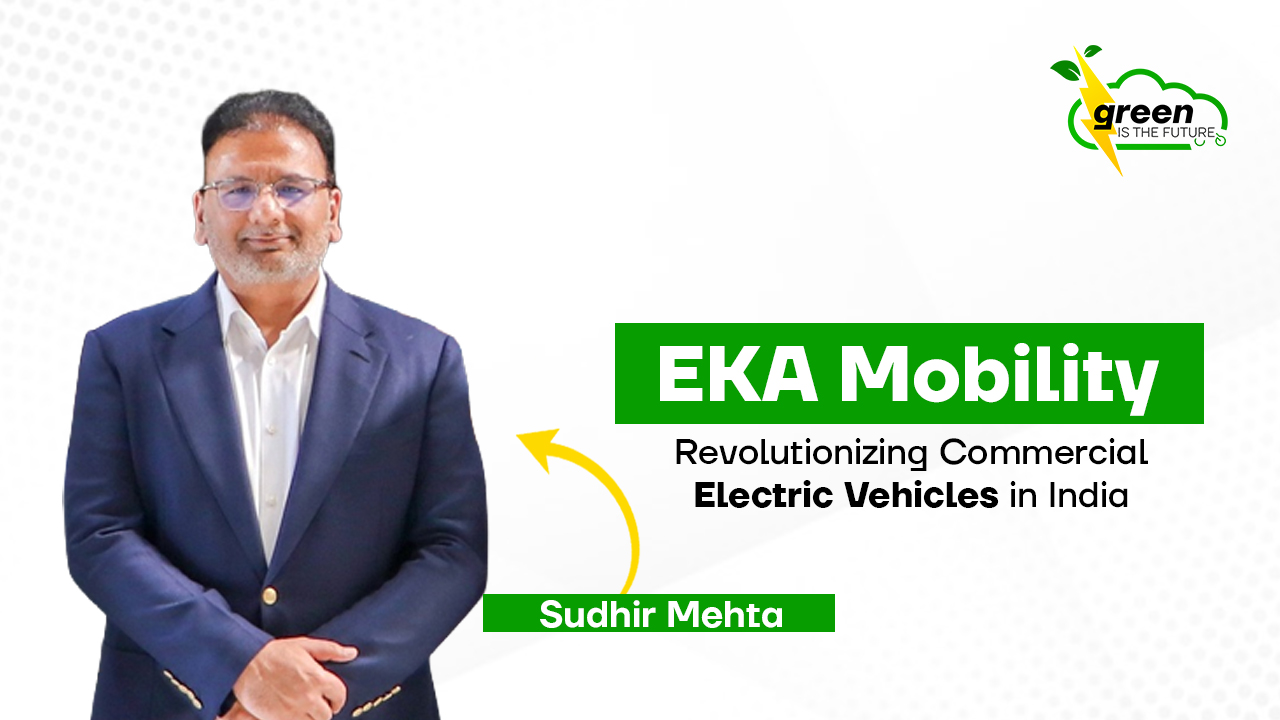
For years, India’s buses, trucks, and city transport have run on diesel. You know the story: roaring engines, climbing fuel prices, and air you can almost taste. As city streets get more crowded and pollution keeps rising, EKA Mobility, a Pune-based electric vehicle maker, is jumping in with something different. They’re not selling a distant dream, they’re building electric buses, coaches, and trucks that fit what India actually needs right now. It’s a tough nut to crack, electrifying public transport at this scale, but that’s exactly where EKA is putting its focus.
EKA’s EV Lineup: Built for Indian Roads
With backing from Pinnacle Industries, EKA isn’t wasting time. Founder and Chairman Sudhir Mehta has a bold plan: to roll out a new commercial EV every six months. In just two years, they aim to have the entire range covered, from heavy-duty trucks to small commercial vehicles, and everything in between. They’re building these machines for Indian cities, highways, and all those tricky logistics routes. And since fuel eats up a huge chunk of any fleet operator’s budget, switching to electric isn’t just good for the air, it makes financial sense, too.
Turning Policy Into Real Change
But ideas don’t matter much unless they hit the road. Here’s where EKA steps up. Thanks to the Pradhan Mantri e-Bus Sewa Scheme, they’ve landed the job of supplying 675 electric buses to Rajasthan. These buses will start rolling through cities like Jaipur, Udaipur, and Jodhpur in 2026. It’s not just another policy announcement, it’s actual buses replacing old diesel fleets, making a difference where people live and commute.
To go even bigger, EKA teamed up with Chartered Speed. Together, they’re putting 1,135 more electric buses on the streets. They’re using a hub-and-spoke setup, covering everything from building the vehicles to powering them up, running the routes, and keeping them in shape. It’s messy, complicated work, but it matches the way Indian cities actually function.
Why This Matters
Cleaner buses are only the start. Big electric fleets mean less smog, less money spent on imported oil, and lower costs for state governments in the long run. Every electric bus takes the place of a diesel one that would have pumped out a mountain of carbon dioxide. Plus, these projects bring real jobs — in factories, charging stations, and fleet management.
India’s Roadmap to Electric Mobility
EKA Mobility is sketching out a real playbook for how India can shift to electric vehicles: strong policies, homegrown manufacturing, and boots-on-the-ground action. With states getting ready to expand electric fleets in 2026, EKA is quickly becoming a major force behind India’s push for greener transport.
In the end, EKA isn’t just building electric vehicles. They’re helping India shape a cleaner, tougher, and smarter way to move millions of people every day.
Read Also: Agapi Sikkim: A Himalayan Skincare Brand Making Global Waves
