

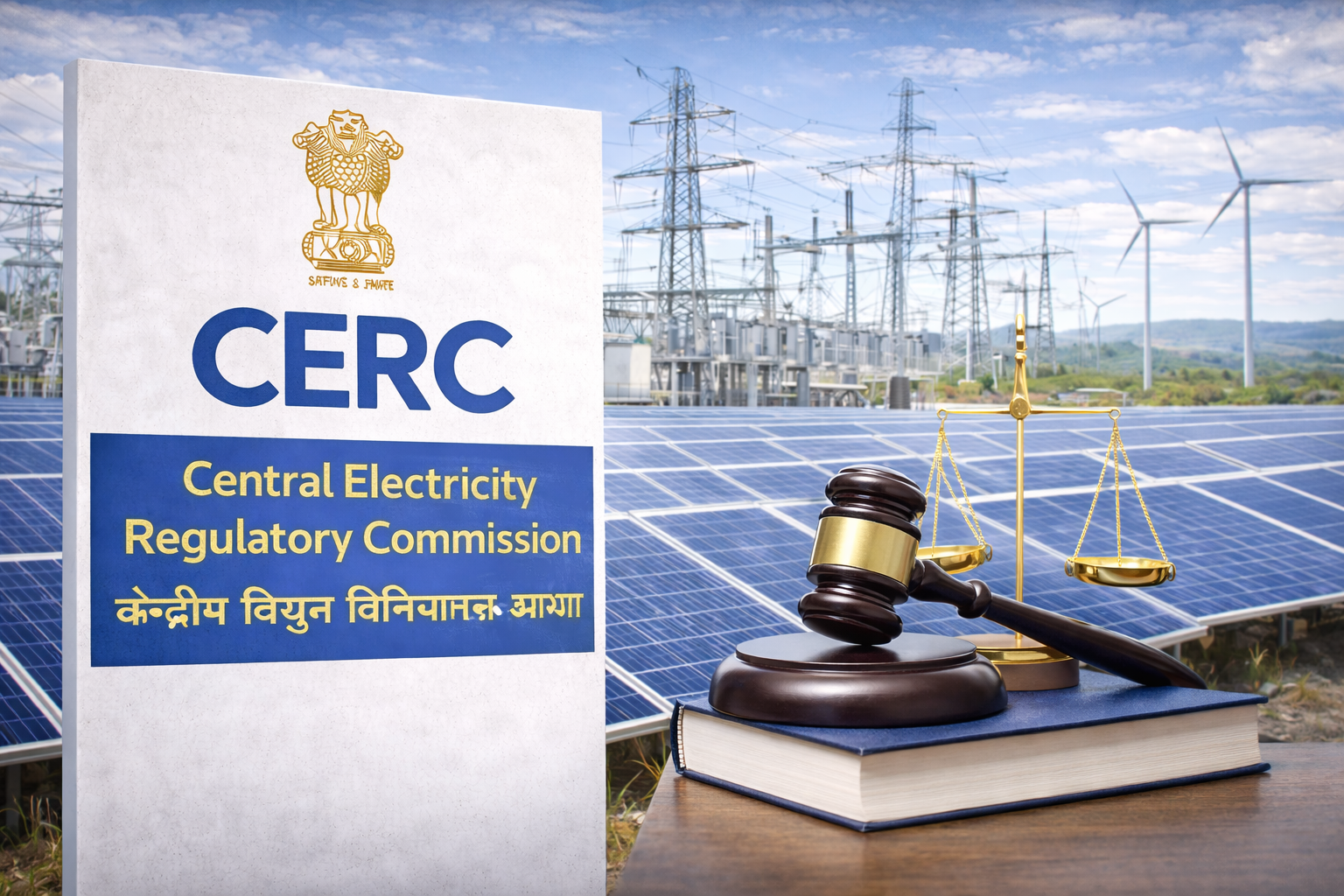
India’s power regulator is running into trouble with its plan to overhaul how renewable energy projects get transmission access.
The Central Electricity Regulatory Commission (CERC) wants future projects to secure grid connectivity only after signing power purchase agreements (PPAs). Currently, developers can obtain connectivity through Letters of Award (LoAs)—the formal confirmation of bid-winning status. The regulator also suggested auctioning connectivity slots as an alternative.
Neither idea is going down well.
The problem CERC wants to fix
Around 31.8 GW of renewable capacity already has connectivity but no PPAs. That’s idle infrastructure sitting unused. Another 42 GW of RE projects are still waiting for agreements. Regulators clearly want to stop speculative blocking of transmission bays.
Why developers are pushing back
SECI and NHPC both opposed the PPA-linkage proposal. NHPC called it “unfeasible” for projects developed through intermediary agencies.
The issue is timing. Developers sign PPAs with agencies like SECI only after those agencies secure buyers through separate agreements. If connectivity requires PPAs first, but buyers won’t commit without knowing project timelines, everything stalls.
SECI added that without clarity on connectivity locations, developers can’t estimate costs properly. That could hurt bidding participation.
The National Solar Energy Federation called PPA signing “administratively fluid” and often delayed by factors outside the developer’s control. Making it the sole criterion would turn the process into a “bureaucratic race,” they said.
Auction concerns
The auction alternative isn’t popular either. NSEFI warned of “double-auction risk” — developers paying twice, once for projects and again for connectivity. Those costs would push tariffs higher.
Adani Green said auctions don’t address the real problem: delayed transmission planning. Tata Power called infrastructure underutilisation a “momentary” issue.
ACME Solar flagged another worry. Auctioning connectivity could concentrate access with financially stronger players, squeezing out smaller developers.
What’s next?
Stakeholders submitted comments to CERC in late December. The regulator hasn’t said when the final guidelines might be released. Queries to the Ministry of New and Renewable Energy went unanswered before publication.
