

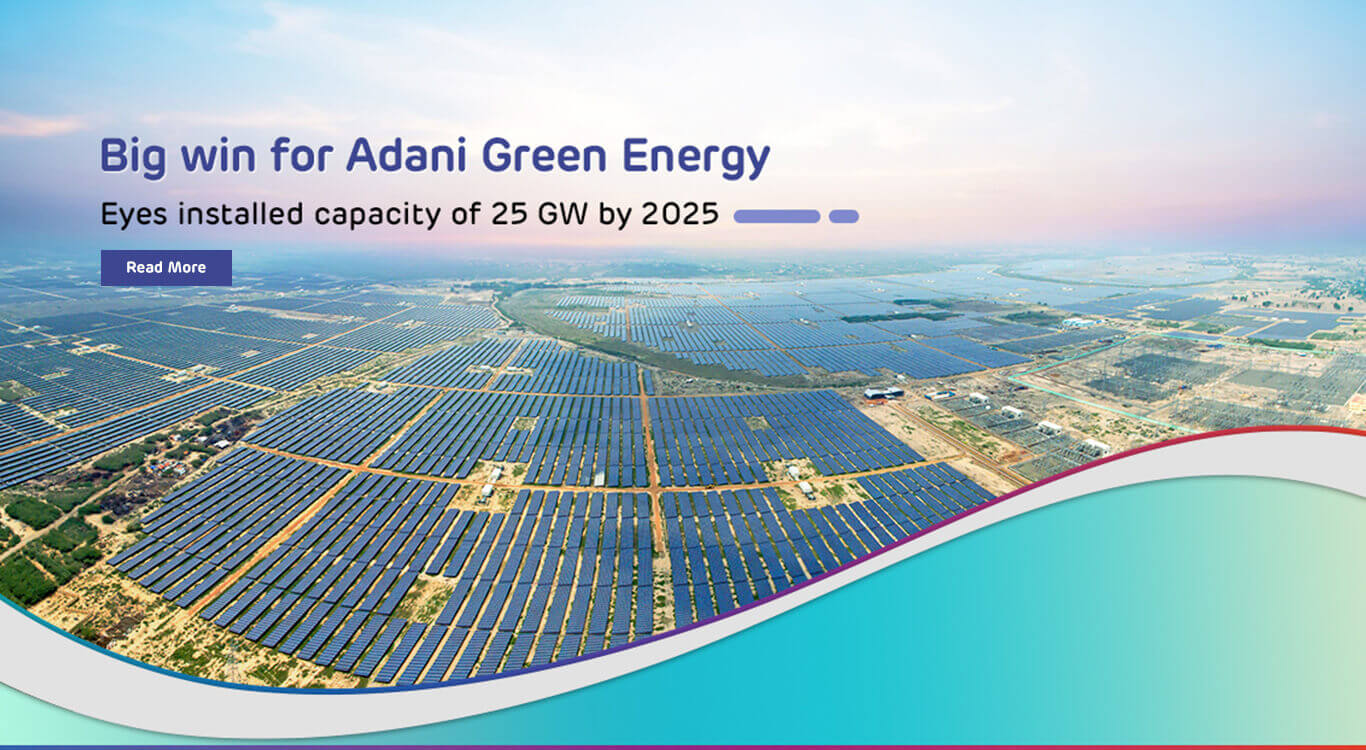
According to the treaty, this park will provide 20.8 MW of solar-wind hybrid energy to Adani Green Energy Limited (AGEL) of India under contract in 2026. The transaction also encompasses an equity investment in the captive clean energy project by AIS, which highlights the increased momentum in industrial alliances in the Indian clean energy shift.
Key Facts
- Date of agreement: 7 January 2026
- Capacity: Solar-wind hybrid 20.8 MW power.
- Location: Khavda Renewable Energy Park, Gujarat—one of the largest renewable energy hubs in the world.
- Partnership scope: Asahi India Glass supply of power in addition to equity investment.
- Use: Manufacturing of AIS captive clean energy.
Strategic Significance
The joint venture signifies the growing presence of corporate customers in the Indian renewable energy industry. Asahi India Glass is one of the top glass manufacturing companies in the automotive and building industry that is keen on minimizing its carbon footprint by acquiring captive renewable power.
In the case of Adani Green, the acquisition consolidates the status of this company as the largest developer of renewable energy in India, and Khavda is becoming a model hub of hybrid projects of solar and wind.
Industry Context
In early 2026, India reached a renewable capacity of over 180 GW, and hybrid projects have become more popular as they have the capability of delivering a more stable power supply than either standalone solar or wind.
Industrial players are highly utilizing the captive renewable deals as a way of saving money, achieving green targets, and having regulatory incentives.
The Khavda park will accommodate 30 GW+ of renewable capacity and therefore will form the center of the Indian objective of attaining 500 GW of non-fossil fuel capacity by 2030.
Push for Corporate Sustainability
The investment made by Asahi India Glass is representative of a wider trend in the manufacturing sector of companies changing in line with the net-zero 2070 objectives of India. Capturing renewable power will enable AIS to minimize its risks of grid volatility and enhance its ESG profile.
In the meantime, Adani Green is getting international and local partners, which solidifies the trust in the Indian infrastructure of renewable energy.
Conclusion
The Adani Green-Asahi India Glass project is one of the milestones in the clean energy process in India, as the demand of the industry is combined with the supply of renewable energy in a mutually supporting relationship. India is working towards a faster pace of growth of its renewable industry, with the hybrid projects being the front-runners of the industry in 2026, supported by both policy support and corporate sustainability pledges.
