Close Menu
    Advertise With Us
    Facebook X (Twitter) Instagram
    Monday, February 9
    Advertise With Us
    Facebook X (Twitter) Instagram
    Greenisthefuture
    • Top Stories
    • Renewables
      • Solar Energy
      • Wind Enegry
    • Electric
      • 2 Wheeler
      • 4 Wheeler
      • Battery
      • Charger
      • Infrastructure
    • Clean Energy
    • Eco Innovator
    • Global
    • Interview
    Subscribe Now
    Greenisthefuture
    You are at:Home » Southeast Asia Warms Up to Nuclear Power for Energy Transition
    Global

    Southeast Asia Warms Up to Nuclear Power for Energy Transition

    DeskBy DeskFebruary 3, 20252 Mins Read
    Share Facebook Twitter Pinterest LinkedIn Tumblr Email
    Southeast Asia Warms Up to Nuclear Power for Energy Transition
    Southeast Asia Warms Up to Nuclear Power for Energy Transition
    Share
    Facebook Twitter LinkedIn Pinterest Email

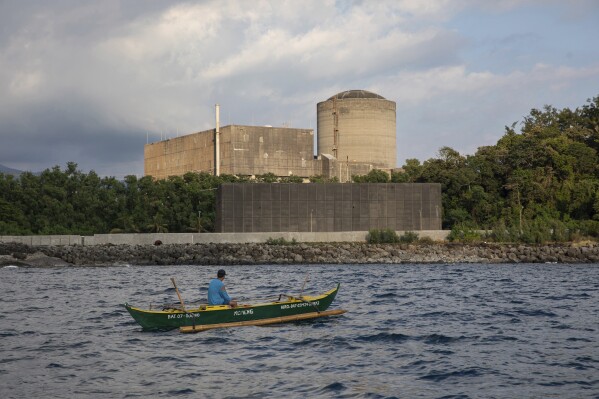
    Southeast Asian countries are increasingly turning to nuclear energy in an attempt to find a cleaner and more reliable power source. Countries like the Philippines, Indonesia, Vietnam, and Malaysia have looked at nuclear options for their growing energy demands to avoid further carbon emissions.

    Technological Advancements Make Nuclear More Attractive
    Recent innovations have overcome many of the safety and cost issues that had plagued nuclear power. Modern reactors are safer, cheaper and smaller. The International Energy Agency (IEA) forecasts a sharp increase in nuclear-generated electricity by 2025 based on new plants under construction and national plans.

    State-run Indonesia plans to build nuclear power plants with combined capacity of around 4 GW as part of its shift towards cleaner energy amid the country’s target to phase out coal-powered plants. Under the plan, Indonesia will start building floating small modular reactors that can be completed by 2036.

    Challenges Ahead


    Despite enthusiasm, challenges still abound. Nuclear plants are quite costly and require long periods of time before they become profitable. International financing is becoming more available, though still limited, as entities like the World Bank are loath to fund nuclear projects. Smaller, modular reactors are emerging as a potential solution because they are faster and cheaper to build and much safer. However, cost efficiency, potential nuclear disasters, market concentration in a few countries, and the safe disposal of radioactive waste remain concerns. A shortage of trained personnel also delays progress in some countries.

    Vietnam and Russia have signed an agreement on further cooperation in the development of nuclear energy. The cooperation will revive Vietnam’s nuclear energy projects, which were suspended in 2016 due to high costs and safety concerns. The partnership is part of Vietnam’s broader goal of becoming energy self-sufficient and reducing greenhouse emissions by 2050.

    energy Nuclear Southeast Asia
    Share. Facebook Twitter Pinterest LinkedIn Tumblr Email
    Previous ArticleBudget 2025: Green Hydrogen Allocation Doubles to ₹600 Crore
    Next Article HMPL ₹2,500 Crore Solar Investment in Andhra Pradesh
    Desk

    Related Posts

    India & Canada Deepen Energy Cooperation at IEW 2026

    January 28, 2026

    Europe’s North Sea Wind Pact Targets 100 GW

    January 27, 2026

    India Energy Week 2026 Highlights India’s Global Energy Leadership

    January 27, 2026
    Add A Comment
    Leave A Reply Cancel Reply

    Top Posts

    BCCI’s Green Pitch for Sustainable Cricket Future

    February 16, 2025

    Global Push for Sustainability Drives Green Ammonia Production

    March 18, 2025

    WPL 2025: Cricket Scores for Sustainability, Too!

    March 14, 2025

    Delhi EV Policy 2.0 Targets 95% Electric Vehicles by 2027

    March 11, 2025
    Don't Miss

    India Enhances International Connections to Increase Renewable Energy and Grid Storage

    By Aditya PandeyFebruary 3, 2026

    The Indian government is increasing its quest to forge international collaboration in renewable energy, green…

    Budget 2026 prolongs EV Manufacturing industry

    Caliber Interconnects Secures ARAI Certification, Boosting India’s EV Charging Infrastructure

    Mercedes-Benz Confirms CLA EV Launch in India for April 2026

    Newsletter

    Subscribe for Updates

    Get the latest updates from GreenIsTheFuture

    About Us

    Green technology can be used to reduce pollution and waste products of traditional industrial processes. In addition to reducing the negative effects on the natural environment, these technologies can also use resources more efficiently.
    Email Us: info@greenisthefuture.in

    Facebook X (Twitter) YouTube WhatsApp
    Quick Links
    • About Us
    • Our Team
    • Privacy Policy
    • Advertise With Us
    • Terms & Conditions
    • Subscription
    Newsletter

    Subscribe for Updates

    Get the latest updates from GreenIsTheFuture

    © 2026 Designed by GreenIsTheFuture.

    Type above and press Enter to search. Press Esc to cancel.