

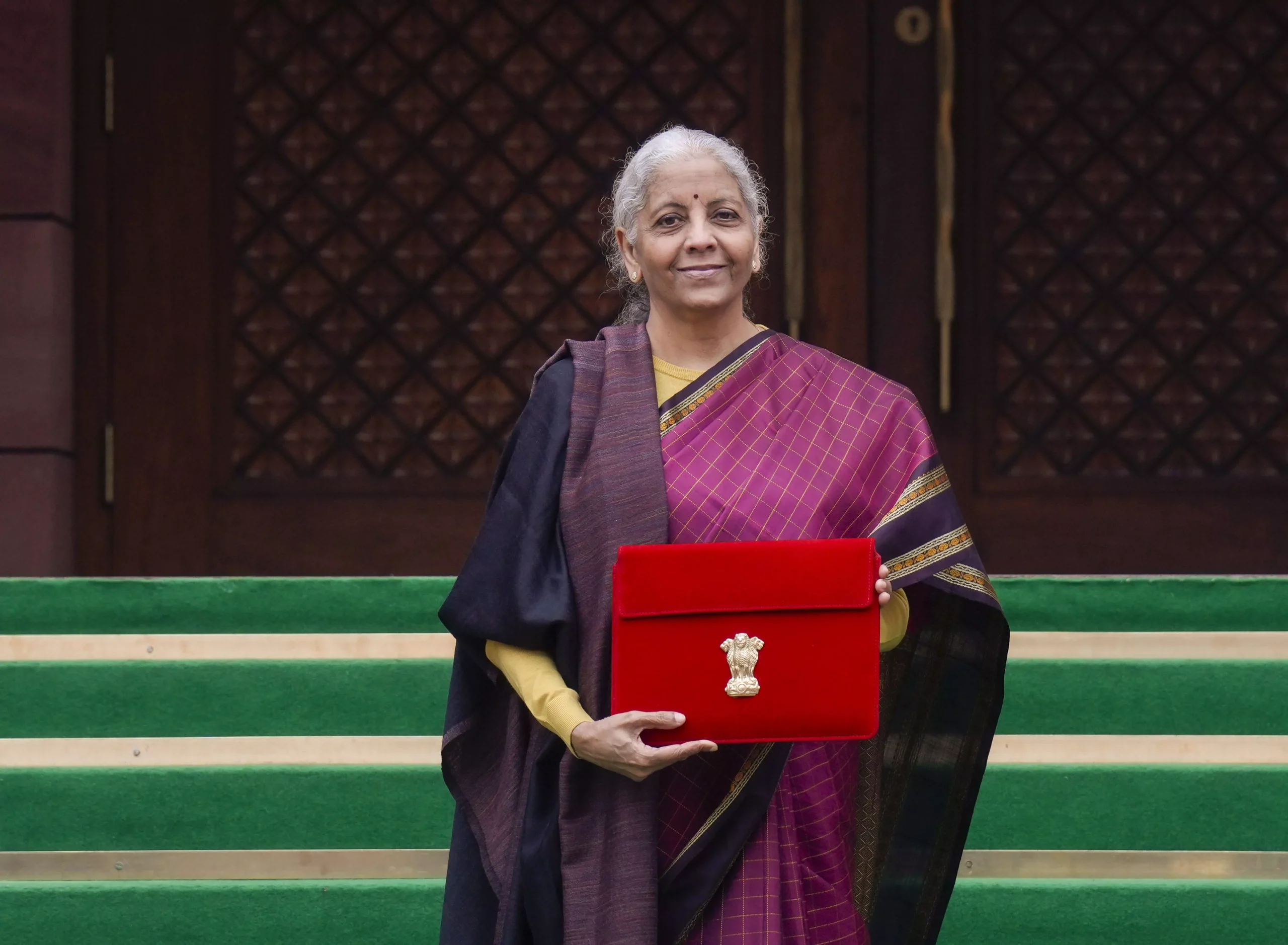
Finance Minister Nirmala Sitharaman handed the electric vehicle industry a special gift through the Union Budget. In her Budget 2026 speech, she announced that customs duty exemptions on capital goods used for lithium-ion cell manufacturing will continue for another year.
This announcement matters more than it sounds. Batteries eat up nearly 40% of an electric vehicle’s total cost. Cheaper batteries mean cheaper EVs down the line.
What Changed for Battery Makers
Companies setting up battery plants in India import expensive machinery and equipment. The government had already waived fundamental customs duty on these capital goods. Today’s announcement extends that relief into the next financial year.
For manufacturers, the change means lower setup costs and better margins. For buyers, it could eventually translate to more affordable electric two-wheelers, cars, and buses.
The move also strengthens India’s Production Linked Incentive scheme for Advanced Chemistry Cell batteries. The programme aims to establish a comprehensive domestic battery ecosystem. Continued duty support keeps momentum going.
CNG Gets Greener and Cheaper
Sitharaman’s efforts did not end with batteries. She also tweaked the way excise duty is calculated for biogas-blended CNG.
Here’s the change—when calculating central excise duty on biogas-mixed CNG, the biogas portion won’t be counted. This should bring down prices for this cleaner fuel option—good news for auto-rickshaw drivers and fleet operators running on CNG.
Solar and Critical Minerals Also Covered
The budget also touched on solar manufacturing. Sodium antimonate, used in making solar glass, will now come in duty-free. And capital goods needed for processing critical minerals in India will also be exempt from customs duty.
These minerals are essential for batteries, solar panels, and other clean energy tech. Making them cheaper to process locally aligns with the broader push for energy independence.
The Bigger Picture
Today’s announcements aren’t standalone decisions. They connect to years of policy work on clean mobility and domestic manufacturing. The government clearly wants India to build its own batteries, not just import them.
Whether these duty cuts actually make EVs cheaper at showrooms remains to be seen. But for now, the industry has one less thing to worry about.
