

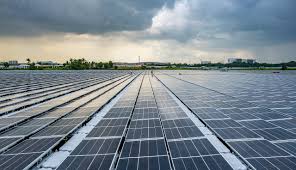
The renewable energy sector in India is experiencing a soaring trend in the number of corporate power purchase agreements (PPAs), with companies shifting towards the multi-year hybrid contracts incorporating both solar and wind power. These agreements are redefining industrial energy procurement and hastening the clean energy transition of the country due to the tariff hedging requirements and environmental, social, and governance (ESG) obligations.
Reliability and Tariff Hedging
Corporate PPAs enable companies to contract electricity prices over 10–20 years to protect them against unreliable grid tariffs. By 2026, hybrid PPAs tend to be more prevalent since they provide more reliability in comparison with solar and wind projects that are not hybrid. The combination of sources of generation also makes hybrid contracts less turbulent, which decreases the risk of intermittency and guarantees a twenty-four-hour supply of renewable power.
ESG Obligations Motivating Demand
Big manufacturers and multinational companies are being put under more and more pressure to achieve sustainability goals. PPAs are also an effective way to cut carbon footprints without using initial capital funds. The first to embrace the integration of renewable energy in their operations and at the same time invest equity in captive projects are companies such as Asahi India Glass, which signed a 20.8 MW hybrid PPA with Adani Green in January 2026.
Other businesses, such as FMCG giants and technology parks, are filling their renewable acquisition pipelines, which is in line with net-zero 2070 in India and worldwide ESG standards.
Market Outlook
It is projected that in 2026, corporate PPAs will grow by more than 10 percent, with an increased number of agreements being hybrid. As India is the land of renewable capacity surpassing 180 GW, the industrial demand is likely to become the structural force behind the clean energy uptake. Captive PPAs, in which corporates invest directly in projects, are also taking off, with the benefit of cost savings as well as image.
It is expected that the following Union budget 2026 will have incentives on corporate renewable procurement, which will further increase the adoption. The reforms in policies regarding the open access and transmission infrastructure will be very important in maintaining the momentum.
Challenges Ahead
In spite of good growth, threats exist. The regulatory uncertainty at a state level, the bottlenecks in transmission, and the complicated structure of contracts may slow adoption. Corporates and developers have to go through the changing regulations on banking, wheeling, and design of tariffs to make them viable in the long term.
Conclusion
The corporate PPA pipeline of India in 2026 signifies a clear move towards multi-year hybrid contracts that would bring in cost stability and sustainability. The solutions are not only hedging against the tariffs but also strengthening India as a clean energy adopter as the industrial customers continue to increase their renewable commitments.
