

Nobody gave Vietnam’s electric car maker much of a shot when it announced plans for India. The playbook for foreign automakers entering the subcontinent usually involves years of cautious planning, small pilot programmes, and plenty of hand-wringing.
VinFast apparently never read that playbook. Instead, VinFast built a factory from the ground up. Banks are eagerly lining up to participate. Dealers are making daily calls, and this newcomer is not performing as expected.
Fifteen Months. One Factory. Zero Patience.
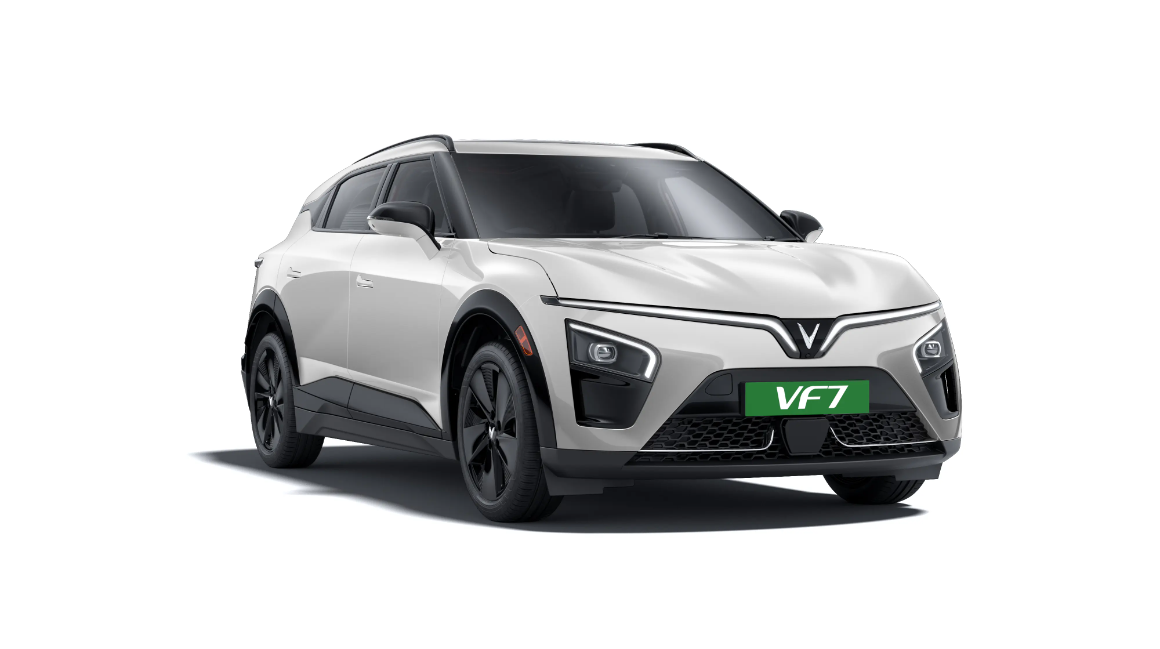
In Thoothukudi, Tamil Nadu, a manufacturing facility now stands on land that was empty dirt not long ago. VinFast surveyed fifteen locations across six Indian states, picked this one, and broke ground. Fifteen months later, VF 6 and VF 7 units were rolling off the line—assembled by local workers, built for Indian roads.
The speed mirrors what VinFast pulled off back home. At its Hai Phong plant in Vietnam, TIME Magazine described robot arms that “twirl like pneumatic ballerinas” with 98 percent automation. Google Maps couldn’t even keep pace—satellite images still showed half the site underwater because VinFast had reclaimed the land faster than the satellites could refresh.
Before the year ended, the company doubled down. An MOU with the Tamil Nadu government will see VinFast expand onto 500 additional acres, adding electric bus and e-scooter production lines. VinFast has committed an additional $500 million to this project. This is a significant step forward.
Why the VF 6 and VF 7?
VinFast could have started small, with a compact city car, or initiated with a simplified commuter model. Instead, they led with two models designed to make a statement.
The VF 7 already picked up the “EV Disruptor of the Year” title at the Jagran Hi-Tech Awards. Judges pointed to styling, interior space, and feature levels that punch well above what anyone expected from this price segment. The VF 6 follows the same formula—European design sensibilities wrapped in accessible pricing.
This approach worked spectacularly in Vietnam. VinFast didn’t try to be the cheapest option. They aimed for the sweet spot where aspiration meets affordability. Premium looks. Premium feel. Middle-class price tags.
The Aftersales Gamble That Paid Off
Convincing someone to ditch petrol for electric isn’t just about the car. It’s about confidence.
VinFast learnt this early. In Vietnam, warranties stretching up to ten years became standard. Service costs reportedly dropped 80 per cent compared to equivalent petrol vehicles. The result? VinFast climbed to the top of the Vietnamese market.
India gets the same treatment. Class-leading warranty coverage. Three years of free maintenance. Three years of free charging through V-Green, the infrastructure company founded by VinFast’s own Pham Nhat Vuong.
It’s a package designed to neutralise every hesitation a first-time EV buyer might have.
The Ecosystem Nobody Saw Coming
Here’s where things get interesting. Before VinFast sold a single car in India, they’d already stitched together an entire support network. Service partnerships with myTVS, RoadGrid, and Global Assure. Battery lifecycle agreements with BatX. Financing deals with YES BANK, HDFC, ICICI, Kotak, Axis, and State Bank of India—covering everything from retail buyers to dealer inventory to corporate fleets.
Banks don’t extend those kinds of limits to companies they expect to disappear. They do it for partners, building something lasting.
Dealers noticed too. Enquiries started flooding in from cities that weren’t even part of the initial rollout plan. Everyone wanted a piece.
What Happens Next
Markets rarely shift in the first year. But it sets the tone. VinFast has spent the last twelve months proving that a Vietnamese automaker can build factories faster than competitors can schedule board meetings. Banks and dealers are likely to prioritise scale and seriousness over legacy and familiarity. Indian consumers may be more prepared for this transition than previously thought.
In Vietnam, this exact approach turned VinFast from unknown to market leader. India is a far bigger stage with far tougher competition.
But if the opening act is any indication, the result is a newcomer with no intention of staying new for long.
